Home inspections can feel overwhelming, especially if you’ve never been through one before. There’s a lot to look out for, and the process can move quickly once your offer is accepted. Knowing what to expect and having a home inspection checklist handy can make things go a lot smoother. As your trusted real estate advisor, I’ll walk you through exactly what happens during a home inspection, what matters most, what’s normal, and what should raise a red flag, so you can move forward with clarity and confidence. Whether you’re buying your first home or preparing to sell, being informed puts you in control, and that’s exactly where I want you to be. Thinking about buying or selling soon? Let’s talk before inspection day so you feel fully prepared and confident from the start. Reach out to Emily Dieckmann today to schedule a consultation.
Key Takeaways
- Choose a home inspector with proper credentials, experience, and insurance—don’t just pick the first name you see online.
- Make sure your home is easy to access and clutter-free so the inspector can check everything on their list.
- The inspection covers both the outside and inside of the house, including the roof, foundation, windows, appliances, and major systems.
- You’ll get a detailed report with photos and notes about any problems—read it carefully and ask questions if you’re unsure.
- Use the home inspection checklist and final report to help negotiate repairs or price changes before closing the deal.
Choosing Your Home Inspector Wisely
Picking the right person to check your future house is a big deal. There are so many things that can be missed if the inspector isn’t careful or experienced. You want someone who isn’t just doing this as a side gig but has a background in inspecting homes seriously. Most people start out by asking friends or family for tips on who to call, which can actually save you from hiring someone who does a sloppy job. If a couple of people keep giving you the same name, there’s probably a reason, they’re good at what they do. For more on getting reliable advice, it helps to check positive references straight from people you trust. And one of the first things I help my clients with is selecting a reputable home inspector. The right professional makes all the difference.
Verifying Credentials and Experience
You don’t want someone who’s just read a book on houses. I always recommend asking about their background, construction, plumbing, or electrical experience makes a significant difference in what they’re able to spot. That makes a huge difference when it comes to spotting problems. Here’s a simple checklist when talking to a potential inspector:
- How many years have you been inspecting homes?
- What types of houses have you checked (old homes, condos, new builds)?
- Do you have any special training or certifications?
Experience with the type of home you’re buying is really important—an inspector who’s only ever checked condos might miss things in a 1920s bungalow. If you’re nervous, don’t be shy about asking these questions directly over the phone before you book.
Accreditation and Professional Affiliations
Being part of a reputable organization says a lot. If an inspector is a member of a group like ASHI, CAHPI, or is listed with the Better Business Bureau, that’s a solid green flag. Why? These groups make sure their members stick to certain standards and usually require ongoing education.
Here’s a quick table you can use to compare affiliations:
| Association | Common Requirements | Why it Matters |
|---|---|---|
| ASHI (US) | Exams, continuing education | Ensures up-to-date knowledge |
| OAHI/CAHPI (Canada) | Membership standards | Accountability and ethics |
| Better Business Bureau | Public complaint record | Check for past issues |
Stay clear of folks who aren’t willing to tell you if they belong to any of these groups—or if you find complaints about them online.
Requesting a Sample Report
This is one step a lot of buyers skip. Ask for a sample home inspection report. You want reports that are easy to understand, include photos, and are organized so you aren’t left scratching your head.
Here’s what to look for:
- Clear photos pointing out the issues
- Concise explanations (not technical gobbledygook)
- A summary of urgent repairs or safety problems
- Sections covering each major system of the house
If the sample looks confusing or sloppy, don’t expect yours to be any better.
Understanding Insurance Coverage
Stuff happens. Even the best inspectors can miss things. Liability insurance is basically your backup plan, covering errors or damage caused during the inspection. Always ask:
- Do you carry errors and omissions insurance?
- What does your insurance cover if you miss something big?
- Do you have written contracts so everything’s straightforward?
Many buyers don’t realize this, but I always make sure my clients verify insurance coverage. It’s an added layer of protection that gives you peace of mind.
All in all, picking the right home inspector takes a little work up front, but it gives you peace of mind when you’re making one of your biggest decisions. Once you’re comfortable with your inspector, you’ll be ready to move forward confidently, whether you’re buying in the suburbs or looking at a trendy Austin neighborhood.
Preparing For The Inspection Day
Before inspection day, I’ll remind you of a few simple steps that make the process smoother and more efficient. So, you’ve picked your inspector and scheduled the big day. Awesome! But before they show up, there are a few things you can do to make sure the inspection goes as smoothly as possible. Think of it like getting your house ready for a doctor’s visit – you want everything to be accessible and clear.
Ensuring Property Accessibility
This might sound obvious, but make sure the inspector can actually get to all the important parts of the house. That means:
- Unlock all doors and gates. Seriously, check them all. You don’t want the inspector stuck outside or unable to get into a crucial area.
- Clear pathways. Move any stored items, bikes, or garden tools that might be blocking access to the foundation, crawl spaces, or utility meters.
- Provide access to the attic and basement. If there’s a pull-down ladder, make sure it’s easy to deploy. If it’s a door, ensure it’s not blocked by furniture.
Clearing Clutter for Clear Paths
This is more than just tidying up for curb appeal. The inspector needs to see the actual house, not your stuff. So, try to:
- Move furniture away from walls. This lets the inspector check the walls themselves for cracks or moisture issues, and also see the baseboards and electrical outlets properly.
- Clear out closets and storage areas. While they won’t empty every single one, having some open space in key areas like near plumbing or electrical panels is helpful.
- Keep the yard tidy. Overgrown bushes can hide foundation problems, and a messy yard might make the inspector wonder what else is being neglected.
Confirming Utilities Are On
This is a big one. The inspector needs to test things, and that means the power, water, and gas need to be running. Make absolutely sure that all utilities are active before the inspector arrives. This includes:
- Electricity: All breakers should be on, and light switches should work.
- Water: The main water valve should be open.
- Gas: If the house has gas appliances or heating, the gas service needs to be on.
If any of these are off, the inspector can’t properly check the electrical system, plumbing, or HVAC. It can lead to a second visit, which costs more time and money, or worse, the inspector might have to skip those checks entirely, leaving you with unknowns.
Exterior Property Examination
When your home inspection gets underway, the outside of your property is usually where things begin. Inspectors pay close attention to exterior elements because problems here can lead to issues inside the home down the road. Let’s walk through what to expect during this part of the inspection.
Assessing the Roof and Foundation
The roof and foundation are basically the backbone of your home’s structure. Expect your inspector to look for missing shingles, signs of sagging, punctures, and anything that could signal a roof leak. For the foundation, they’ll search for cracks, displacement, or anything that hints at water getting in. Any moisture or movement here often points to bigger problems beneath the surface.
- Watch for: visible cracks, stains, mold or mildew
- Noted roof issues: missing, curling, or broken shingles
- Foundation red flags: stair-step cracks, uneven ground, damp corners
Small foundation cracks aren’t always a dealbreaker — and I’ll help you understand which findings are minor maintenance items versus serious concerns.
Evaluating Siding and Drainage
The exterior siding does a lot more than just make your house look good; it protects against the elements. The inspector will check for warping, rot, damage, or missing pieces. Drainage is equally important. Proper drainage keeps water away from the house and foundation. If water isn’t flowing away or gutters are broken, there’s a risk for leaks or future flooding. For details about these checks, look at a thorough inspection list that includes siding and drainage basics.
Here’s a simple table showing possible findings:
| Feature | Common Issues | What It Signals |
|---|---|---|
| Siding | Cracks, rot, warping | Water infiltration possible |
| Gutters & Downspouts | Blockages, leaks, broken parts | Poor drainage, potential foundation problems |
| Grading | Slopes toward house | Water pooling at foundation |
Checking Walkways and Driveways
Safe and stable access points are easier to take for granted—until cracks, loose bricks, or uneven surfaces show up in an inspection report. Your inspector will check:
- Concrete for heaving, cracking, or sinking
- Driveways for potholes or crumbling edges
- Walkways for trip hazards or blocks moving out of place
Safety matters as much as curb appeal here. Problems with driveways or paths can also point to bigger water management issues nearby.
Pay special attention to how water collects after rain, since pooling or erosion can mean expensive fixes in the future.
By the time the exterior inspection is over, you’ll have a much clearer sense of how your home stands up against the elements—and what needs quick attention before moving forward with the purchase.
Interior Systems And Components
Inspecting Walls, Floors, and Ceilings
This part of the inspection is all about the bones and skin of your house, so to speak. The inspector will be looking closely at your walls, floors, and ceilings. They’re checking for any signs of trouble, like cracks that might point to settling issues, water stains that could mean a leak somewhere above, or even signs of mold. It’s not just about how things look; it’s about what those looks might be hiding. They’ll also check the condition of finishes – is the paint peeling, are the tiles loose, is the drywall in good shape? Basically, Their goal is to spot potential issues and once we review the report together, I’ll help you prioritize what truly matters.
Examining Windows and Doors
When it comes to windows and doors, the inspector is checking a few key things. First, are they easy to open and close? Sticking windows or doors can be a sign of structural issues or just poor maintenance. They’ll also look for any damage to the frames or the glass itself. Drafts are a big one – leaky windows and doors can seriously impact your heating and cooling bills. They’ll check the seals and weatherstripping to see if they’re still doing their job. And, of course, they’ll make sure all exterior doors lock properly, which is a basic security check. It’s surprising how many issues can pop up with these seemingly simple features.
Verifying Appliance Functionality
Most home inspections include a check of the major appliances that are staying with the home. This means the inspector will likely turn on the oven, run the dishwasher, check the refrigerator’s seals, and make sure the washing machine and dryer hookups are sound. They aren’t usually testing every single feature of every appliance, but they want to see if they power on and operate as expected. If an appliance is built-in, like a microwave or a garbage disposal, they’ll test that too. It’s a good idea to have the manuals for your appliances handy if you have them; it can sometimes help the inspector understand specific functions or troubleshooting steps. This is a good time to ask about the age of the appliances if you don’t already know.
The inspector’s job here is to identify obvious defects or signs of malfunction. They aren’t appliance repair technicians, so they won’t be diagnosing complex mechanical problems. Their goal is to report on the general condition and operational status of the appliances at the time of the inspection.
Roof, Attic, And Insulation Assessment
This part of the inspection is all about what’s happening above and within your home’s shell. It’s where we look at how well your house is protected from the elements and how efficiently it’s keeping you comfortable.
Identifying Roof Leaks and Damage
The inspector will give your roof a good once-over. They’re looking for any signs of wear and tear, like missing shingles, cracked tiles, or areas where water might be getting in. This isn’t just about how it looks; it’s about preventing bigger problems down the road. A small leak can turn into major water damage if it’s not caught early.
- Shingle condition: Are they curling, brittle, or missing altogether?
- Flashing: This is the metal or material used to seal joints, especially around chimneys and vents. Is it intact and properly installed?
- Granule loss: Excessive granules in the gutters can indicate the shingles are aging.
- Sagging: Any dips in the roofline could point to structural issues.
Checking Attic Ventilation and Pests
Climbing into the attic is a big part of this assessment. The inspector wants to see if there’s enough airflow up there. Poor ventilation can lead to moisture buildup, which is a breeding ground for mold and can damage the roof structure over time. They’ll also be on the lookout for any signs of unwelcome guests – think rodents or insects.
- Soffit and ridge vents: Are they present and unobstructed?
- Moisture stains: Any dark spots on the underside of the roof decking or rafters?
- Droppings or nests: Evidence of pests is a red flag.
Evaluating Insulation for Energy Efficiency
Insulation is key to keeping your home warm in the winter and cool in the summer, which directly impacts your energy bills. The inspector will check the type, depth, and condition of the insulation in the attic. They’ll note if it’s evenly distributed or if there are gaps. Sometimes, older homes might have outdated or insufficient insulation that could be a major energy drain.
The amount and type of insulation, along with proper attic ventilation, work hand-in-hand. Too much insulation without airflow can trap moisture, while too little means you’re losing a lot of heated or cooled air. Finding that balance is important for comfort and saving money.
Here’s a quick look at what might be noted:
| Insulation Type | Typical R-Value (per inch) | Inspector’s Notes |
|---|---|---|
| Fiberglass Batts | 3.0 – 4.0 | Even coverage? Gaps? |
| Cellulose Blown-in | 3.5 – 3.8 | Settling? Moisture? |
| Spray Foam | 5.0 – 7.0 | Gaps? Adhesion? |
Evaluating Essential Home Systems
During a home inspection, the systems that keep everything running—like electrical, plumbing, and heating—often get the closest look. You really don’t want to end up stuck with a surprise issue, so here’s what happens with each core system:
Reviewing Electrical Panel and Wiring
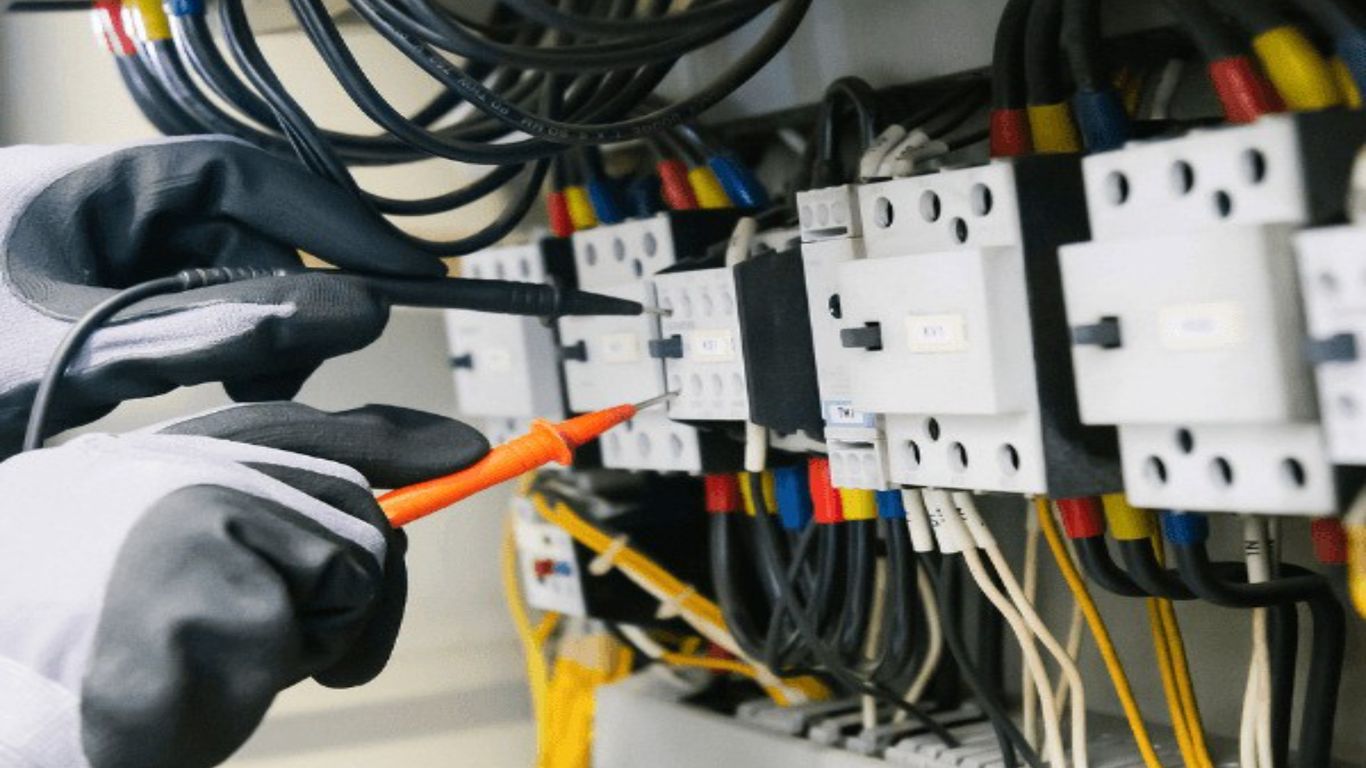
- The inspector opens up the main breaker panel and looks for burned wires, outdated breakers, or messy setups.
- They check if outlets are grounded (super important for safety—nobody likes fried electronics), and see if any circuits are overloaded.
- Older homes sometimes hide aluminum or knob-and-tube wiring, which needs a note in the report.
Sometimes, a quick look behind a few outlets or switches can save you a lot of stress later when it comes to electrical issues.
Testing Plumbing Fixtures and Water Pressure
Most folks don’t realize how fast small leaks turn into big, expensive fixes. Plumbers say the same thing, and home inspectors are on the hunt for signs like:
- Drips under sinks, tubs, or in the crawl space
- Good (or bad) water pressure at faucets—sometimes a weak trickle means bigger problems
- Flushing every toilet and running every faucet to check for weird noises or slow drains
Here’s a basic table inspectors use to record water pressure:
| Fixture | Expected Pressure (psi) | Actual Reading (psi) |
|---|---|---|
| Kitchen Sink | 40–60 | |
| Bath Shower | 40–60 | |
| Outdoor Hose | 40–60 |
Assessing HVAC System Condition and Age
The heating and cooling setup is vital when you’re thinking long-term comfort and energy bills.
- Inspectors look at the furnace, boiler, or heat pump—how old is it? Any rust, leaks, or strange noises?
- Air conditioning gets checked on hot days (and in winter, if possible, they might note they couldn’t test it fully).
- Ductwork gets a look for dust, mold, or disconnected pieces—bad ducts mean wasted energy.
A healthy HVAC system should fire up without banging, bad smells, or long delays.
Here’s a quick checklist for HVAC evaluation:
- Turn on the heating and cooling systems—listen for strange sounds
- Check the age and model of each unit
- Look at air filters and vents for dust or blockages
- Inspect the outside compressor for rust or damaged fins
—
These home systems are the backbone of daily life. Most buyers just want everything to work when they move in, but if even one of these parts is flawed, it can cause headaches for years. If the inspector finds anything off, you’ll see it flagged in the report with advice on what to do next.
Identifying Potential Safety Hazards
Beyond the general condition of the house, your inspector will pay close attention to anything that could put you or your family at risk. This part of the inspection is all about peace of mind, making sure the home is not just structurally sound but also safe to live in.
Testing for Radon and Carbon Monoxide
Radon is a colorless, odorless gas that can seep into homes from the ground. Long-term exposure is linked to lung cancer. Your inspector might use a special device to test the air for radon levels, especially in basements or lower levels. Carbon monoxide (CO) is another silent killer. It’s produced by fuel-burning appliances like furnaces, water heaters, and stoves. If these aren’t venting properly, CO can build up inside. The inspector will check existing CO detectors and may recommend testing if there are many fuel-burning appliances.
Ensuring Proper Appliance Ventilation
This ties directly into the CO issue. Any appliance that burns fuel needs a clear path to vent its exhaust gases outside. This includes your furnace, water heater, and even gas stoves or dryers. The inspector will look at the venting systems for these appliances. They’ll check for blockages, proper connections, and signs that exhaust might be leaking back into the house. A poorly vented appliance is a serious safety concern.
Checking Smoke Detectors and Egress Points
Smoke detectors are your first line of defense against fires. The inspector will check that they are present, properly located (usually one on each level and in sleeping areas), and that they appear to be functional. They might not test the batteries themselves, but they’ll note if they’re missing or look old. Egress points, like windows in bedrooms, are also checked. These are important for escape in case of an emergency. The inspector will verify that they open easily and are large enough for someone to get through. This is especially important for basement windows and any windows that might be blocked by furniture or landscaping. It’s a good idea to get your home ready for sale by tackling these kinds of fixes early, as outlined in advice for preparing your home.
Safety isn’t just about avoiding immediate danger; it’s also about preventing future problems. Things like faulty wiring, inadequate insulation, or poor drainage can all create safety risks down the line, from fire hazards to mold growth. A thorough inspection catches these potential issues before they become major problems.
Understanding Your Home Inspection Checklist
So, you’ve got your home inspector lined up, and the big day is approaching. But what exactly are they looking at? It’s not just a quick once-over; a good inspector follows a detailed checklist to give you a clear picture of the house’s condition. Think of this checklist as the inspector’s roadmap, making sure they don’t miss anything important.
Key Areas Covered in a Standard Inspection
A standard home inspection covers all the major systems and components of the house. It’s designed to identify any current issues and potential future problems. Here’s a general idea of what’s on that list:
- Structural Components: This includes the foundation, walls, floors, and ceilings. They’re looking for cracks, water damage, or signs of settling.
- Exterior: The inspector checks the roof, gutters, siding, windows, doors, and the grading around the house to make sure water drains away properly.
- Interior Systems: This covers plumbing (pipes, fixtures, water heater), electrical systems (panel, wiring, outlets), and the HVAC system (heating, ventilation, and air conditioning).
- Attic and Insulation: They’ll look at the insulation levels, ventilation, and check for any signs of pests or moisture.
- Appliances: Most built-in appliances are tested to make sure they’re working.
Common Issues Found During Inspections
While every house is different, some problems pop up more often than others. Knowing these can help you understand what the inspector might flag:
- Roofing: Leaks, missing shingles, or general wear and tear are frequent finds.
- Plumbing: Dripping faucets, low water pressure, or old pipes can be common.
- Electrical: Outdated wiring, overloaded circuits, or improperly installed components are often noted.
- HVAC: Older systems that are nearing the end of their lifespan or units that aren’t heating/cooling effectively.
- Drainage: Poor grading around the foundation can lead to water issues.
The Role of Thermal Imaging Technology
Sometimes, problems aren’t visible to the naked eye. That’s where tools like thermal imaging cameras come in. These cameras detect temperature differences. For instance, a wet spot on a wall might show up as a cooler area compared to the surrounding dry wall. This technology can help uncover hidden moisture issues, insulation gaps, or even electrical problems that would otherwise be missed. It’s not always standard, but it’s a great addition if your inspector offers it.
The inspection checklist isn’t just a list of things to look at; it’s a systematic approach to evaluating the home’s condition. It helps ensure that both the buyer and seller have a clear understanding of the property’s state before the sale is finalized. It’s all about transparency and making an informed decision.
Receiving And Interpreting The Inspection Report
So, you’ve had the home inspection—now comes the part where you get the report and figure out what it all actually means.
What to Expect in the Final Report
When the inspector’s done, you’ll usually receive a digital report within a day or two. This document breaks down all the findings, grouped by area of the home, and usually includes pictures, descriptions, and sometimes checkboxes for issues found. Key sections often include:
- Summary of major concerns (safety, system failures)
- List of recommended repairs or maintenance
- Comments on life expectancy for main systems (roof, furnace, water heater, etc.)
Here’s a quick look at what a standard page might show:
| Component | Condition | Notes/Repairs Needed |
|---|---|---|
| Roof | Fair | Patch missing shingles |
| Furnace | Old | May need servicing soon |
| Windows | Good | No issues found |
| Electrical Panel | Satisfactory | Recommend labeling circuits |
Most reports use clear, direct language, but if you stumble across a term you don’t understand, don’t hesitate to follow up for a plain-English explanation. For more detailed guidance, check out this summary on understanding report findings.
Asking Questions and Clarifying Findings
It’s normal to feel a little overwhelmed. Now is the time to speak up. Here’s how you can get the most out of your inspection report review:
- List any points that confuse you, especially technical details.
- Set up a call or meeting with your inspector—they’re used to these calls.
- Go through each area, asking what’s urgent and what can wait.
- Make sure you understand which repairs are true safety issues vs. minor fixes.
- Ask your real estate agent about the next steps for any major flags.
Don’t be shy about double-checking things. You’re about to make a big decision, so it’s better to ask now than regret it later.
Using the Report for Negotiations
The inspection report isn’t just paperwork—it’s leverage during closing. Depending on what pops up, you generally have three main options:
- Request repairs: Ask the seller to fix specific problems before closing.
- Ask for money or credits: The seller gives you cash back, or a discount, to handle repairs on your own.
- Negotiate the price: If there are big-ticket items, negotiate for a lower sale price to cover future costs.
Your agent will help draft requests or amendments based on what’s in the report. Serious issues—like a bad roof or foundation cracks—matter more than cosmetic stuff. If negotiations stall, you may even have the right to walk away, depending on how your purchase agreement is structured. Take your time, and weigh your comfort level before moving forward.
Post-Inspection Strategies And Next Steps
After your home inspection, things can move quickly. You’ll get a report full of details, some more important than others. This is the moment where you need to pay close attention and decide your next moves. Let’s break down what happens after that thick inspection packet lands in your inbox.
Negotiating Repairs or Price Adjustments
Most buyers don’t expect a perfect home, but big surprises or safety issues in the report deserve another conversation with the seller. Here’s what usually happens:
- List the requested repairs—focus on health, safety, and anything that could become expensive quickly.
- If the seller won’t make the repairs, you might ask for a price cut instead.
- Not all flaws are worth a fight. Decide what you can live with and what is a deal-breaker.
Negotiations often shift back and forth, so patience really pays off here.
| Negotiation Options | Seller’s Typical Responses |
|---|---|
| Fix specific problems | Agrees, or counters with credit |
| Offer price reduction | Accepts, declines, or negotiates |
| Credit for repairs | May agree to pay closing costs |
Understanding Contingency Clauses
A home inspection contingency gives you a way out if serious issues pop up. This clause lets you:
- Withdraw your offer with no penalty if problems are too costly or risky.
- Request repairs or credits without losing your deposit.
- Set deadlines for finishing negotiations and repairs—don’t let things drag.
This is your safety net, especially if your budget is tight or you just can’t handle certain repairs.
The Importance of a Final Walkthrough
Just before closing, you’ll probably want to do one last check of the house. Bring your inspection report, a camera, and your contract—this isn’t the time to rush.
- Confirm all repairs were completed as promised.
- Test appliances, faucets, doors, locks, and lights—basically everything.
- Walk through every room (don’t forget closets and the basement).
The final walkthrough isn’t about finding new problems, but making sure the house matches the agreement. Skipping it can turn small oversights into last-minute headaches.
These next steps might feel a bit tiring, especially after weeks of paperwork and waiting. But staying thorough here means you avoid big regrets later on. A good inspection is just the start—what you do next matters just as much.
After the inspection, it’s time to think about what comes next. We’ll help you figure out the best plan to move forward, whether that means making requests or moving on to the next step. Ready to make smart decisions about your home? Visit our website to learn more about how we can guide you through the entire process.
Wrapping Things Up
So, that’s the lowdown on what to expect when a home inspector comes knocking. It might seem like a lot, but really, it’s all about getting a clear picture of the house you’re thinking of buying. Think of it as a really thorough check-up for your potential new home. Once you get that report, take your time to go through it. Don’t be afraid to ask your inspector to explain anything that seems confusing. This whole process is designed to help you make a smart decision, so you can buy with confidence and avoid any nasty surprises down the road. It’s a big step, but knowing what’s going on makes it a whole lot easier.
Buying a home is one of the biggest investments you’ll ever make, and you deserve to feel confident every step of the way. If you’re preparing for a home inspection or just starting your home search, I’d love to guide you through the process.
Reach out to Emily Dieckmann today to schedule a consultation and make your next move with clarity and confidence.