
Buying a home is a big decision and one question I often help my clients navigate is whether an HOA community is the right fit. Around Central Texas (from Cedar Park to Liberty Hill and beyond), you’ll see plenty of listings with and without HOAs. So how do you decide what’s best for your lifestyle? Let’s break it down so you can move forward with confidence.
Key Takeaways
- HOAs are groups that manage neighborhoods, setting rules and collecting fees to maintain common areas and amenities.
- Living in an HOA can mean consistent neighborhood looks, access to shared facilities like pools or gyms, and fewer neighbor disputes.
- The downsides include mandatory fees, restrictions on property changes, and potential fines for rule violations.
- Non-HOA areas offer more freedom but lack uniform upkeep and shared amenities, placing all maintenance responsibility on individual owners.
- Deciding whether to buy in an HOA neighborhood depends on your personal lifestyle, preference for structure versus freedom, and long-term plans for your home.
Understanding Homeowners Associations
What Exactly Is An HOA?
So, you’re looking at houses and keep seeing ‘HOA’ mentioned. What’s the deal? At its core, a Homeowners Association (HOA) is an organization that manages a community. When you purchase a home in an HOA neighborhood, you agree to follow certain guidelines and pay dues that support shared spaces and services.
What Does An HOA Actually Do?
An HOA’s job is pretty varied, but it generally boils down to maintaining the community and making sure things run smoothly. They’re usually responsible for:
- Taking care of shared spaces like parks, pools, and common lawns.
- Making sure everyone follows the community rules, which can cover anything from noise levels to parking.
- Managing any shared structures, like hallways in apartment buildings or community roofs.
- Operating amenities such as gyms, clubhouses, or playgrounds.
- Collecting dues and keeping track of the community’s finances.
The Role Of HOA Dues
HOA dues are the financial engine that keeps the association running. These aren’t just random charges; they’re payments homeowners make to fund all the services and upkeep the HOA provides. Think of it as a shared investment in your neighborhood’s quality of life and appearance. The amount can differ a lot, depending on what the HOA offers.
The money collected from dues is typically earmarked for specific purposes, like landscaping, repairs to common facilities, insurance for shared areas, and sometimes even funding for future projects or unexpected maintenance needs. It’s important to know where this money is going.
Here’s a general idea of what dues often cover:
- Maintenance of Common Areas: This includes everything from mowing lawns in parks to cleaning swimming pools and maintaining walking trails.
- Amenities: Funding for the upkeep and operation of shared facilities like clubhouses, gyms, and playgrounds.
- Services: This might include things like trash removal, snow plowing on private roads, or even security patrols in some communities.
- Reserve Funds: A portion of the dues usually goes into a reserve fund, which is set aside for larger, future expenses like a new roof on the community center or major road repairs.
Benefits Of Living In An HOA Neighborhood
So, you’re thinking about buying a home and weighing the pros and cons of living in a neighborhood with a Homeowners Association (HOA). It’s a big decision, and honestly, HOAs can be a really good thing for a lot of people. They’re designed to keep things running smoothly and maintain a certain standard across the community.
Consistent Neighborhood Aesthetics
For many buyers I work with, one of the biggest advantages of an HOA is consistency. Neighborhoods are typically well-maintained, which helps protect property values and creates a more polished, cohesive look.
Many HOA communities in the area also offer amenities like pools, parks, and walking trails, something especially appealing for families or buyers looking for convenience. That’s often the HOA at work.
They have rules about things like exterior paint colors, landscaping, and even how well-maintained your yard needs to be. This means you’re less likely to have a neighbor whose yard is completely overgrown or whose house is painted a color that clashes with everything else. This consistent look can really help preserve property values because the whole area stays appealing. It’s like having a built-in team making sure the neighborhood remains a pleasant place to live.
Access To Community Amenities
Many HOAs offer access to shared facilities that you might not find in a non-HOA area. Think swimming pools, fitness centers, playgrounds, walking trails, or even clubhouses. These amenities are funded by your HOA dues, so you get to use them without the personal hassle and expense of maintaining them yourself. It’s a great way to have extra recreational options right at your doorstep. These features can really add to your quality of life and make your community feel more like a resort.
Reduced Neighborly Disputes
Let’s be honest, living close to people can sometimes lead to friction. Maybe it’s about parking, noise levels, or a pet that’s a little too vocal. HOAs can act as a buffer in these situations. Because there are established rules that everyone agrees to follow, many potential conflicts are nipped in the bud. If a dispute does arise, the HOA can often step in to mediate or enforce the rules, saving you from having to have that awkward conversation with your neighbor yourself. It creates a more predictable environment for everyone.
Preservation Of Home Values
This ties into the aesthetic point, but it’s worth highlighting on its own. By enforcing maintenance standards and architectural guidelines, HOAs help ensure that homes in the community are well-kept. This collective effort to maintain the neighborhood’s appearance and condition can protect your investment. When properties are consistently maintained, the overall desirability of the community tends to stay high, which is good news for your home’s value over the long term. It’s a way of looking out for each other’s financial interests.
Potential Drawbacks Of HOA Communities
While the idea of a perfectly manicured neighborhood with shared amenities sounds great, living under an HOA isn’t always a walk in the park. There are definitely some downsides to consider before you sign on the dotted line.
Mandatory Monthly Or Annual Fees
Of course, HOAs aren’t for everyone. Monthly or annual dues are required, and rules can limit what you can do with your property—from exterior paint colors to landscaping choices.
For some homeowners, that structure is helpful. For others, it can feel restrictive.
Variable Quality Of HOA Management
Not all HOAs are created equal. Some are run by incredibly organized, responsive boards that genuinely work for the benefit of the community. Others, however, can be disorganized, slow to respond, or even seem overly bureaucratic and power-hungry. The quality of management can significantly impact your experience. A poorly managed HOA might neglect common area maintenance, mismanage funds, or create unnecessary conflict among residents. Researching the specific HOA’s track record and speaking with current residents is a smart move before committing to a purchase.
This due diligence can help you avoid potential headaches down the road and ensure you’re buying into a well-functioning community. It’s part of the broader effort to avoid common homebuyer pitfalls by investigating neighborhoods thoroughly.
Life In A Non-HOA Community
Lack Of Uniformity And Potential Disrepair
In contrast, non-HOA neighborhoods offer more freedom. You have full control over your property without needing approval for changes.
However, that also means less consistency across the neighborhood and no shared amenities or oversight.
Fewer Shared Amenities Available
One of the biggest differences you’ll notice is the absence of shared community perks. While HOA neighborhoods often boast pools, clubhouses, or playgrounds, these are rare finds in non-HOA areas.
If you’re someone who loves having these conveniences readily available, you’ll either need to find them elsewhere or perhaps consider building your own if space allows. For many, this means a simpler lifestyle, but for others, it’s a significant trade-off. You might find yourself driving to a local park or community center instead of walking out your back door. It’s a trade-off between autonomy and readily accessible recreation.
Absence Of Oversight On Neighbor Conduct
Without an HOA, there’s no official body to step in if a neighbor’s actions become a nuisance. Think loud music late at night, a car that’s been sitting in the driveway for months, or a yard that’s become overgrown. While you can always try to talk to your neighbor directly, there’s often little formal recourse if things don’t improve. This means you’ll need to be comfortable with a higher degree of personal responsibility for resolving neighborly issues, or simply learn to live with them. It’s a trade-off for greater personal freedom, but it can sometimes lead to friction. You might find yourself wishing for a neutral third party, especially in Liberty Hill, where the community feel is strong but formal rules are minimal.
In communities without an HOA, property maintenance falls entirely on the individual homeowner. This grants you complete freedom over your property’s look and feel, from landscaping choices to renovation projects. However, the flip side is that shared areas, like neighborhood streets or small common green spaces, might not receive the consistent upkeep an HOA would typically manage. You might also notice differences in how neighbors maintain their homes, which can impact the overall look and marketability of the area. Homeowners in these areas often invest more personal time and resources into keeping both their own property and any informal shared spaces looking good.
When you’re looking at homes, especially if you’re considering a property that might need some work, it’s always a good idea to get a professional opinion. Hiring a qualified home inspector can give you a clear picture of any potential issues before you commit. They can help you understand the true condition of a property, which is especially important when there’s no HOA to set maintenance standards. This inspection process can save you a lot of headaches down the road.
Property Maintenance In HOA vs. No HOA
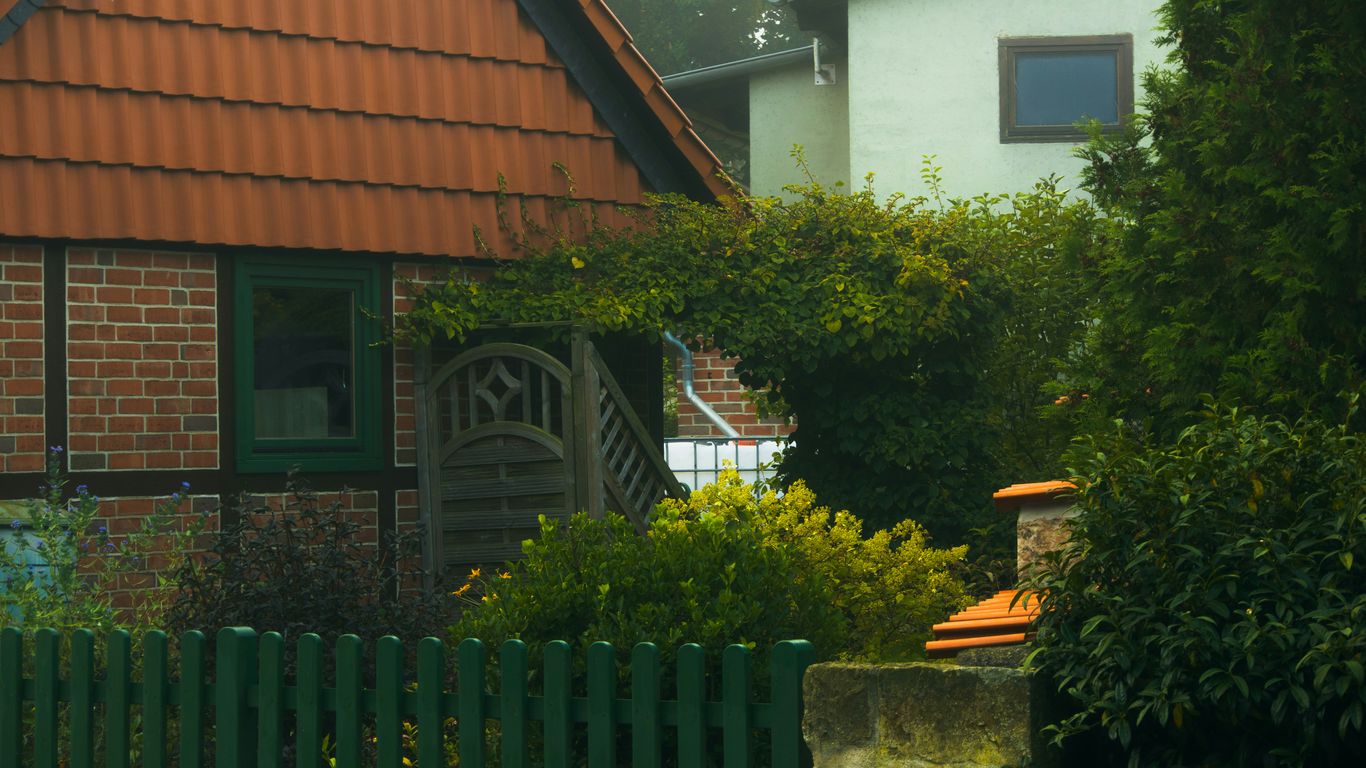
When you’re looking at homes, one of the big differences you’ll notice is how the property itself is kept up. This really boils down to who’s responsible for what. In a neighborhood with a homeowners association (HOA), there’s a whole system in place for maintaining common areas, and they have rules about your own yard too.
HOA Responsibility For Common Areas
HOAs typically handle the upkeep of shared spaces. Think about things like the neighborhood park, the community pool area, walking trails, or even the landscaping along the main roads. They hire services to mow lawns, trim bushes, and keep these areas looking good. This means you don’t have to worry about organizing a neighborhood cleanup for the park or figuring out who’s going to fix the fence around the playground. It’s all part of what your HOA dues cover. This consistent care of shared spaces is a major perk for many homeowners.
Individual Responsibility In Non-HOA Areas
Now, if you’re in a community without an HOA, it’s a different story. You and your neighbors are pretty much on your own when it comes to property maintenance. That means you’re responsible for your own lawn care, your own fence repairs, and keeping the exterior of your house looking sharp. There’s no central authority making sure everyone’s yard is tidy or that the community mailbox area is maintained. While this gives you a lot of freedom, it also means you might see a wider range of property conditions throughout the neighborhood.
Impact On Neighborhood Aesthetics
The difference in maintenance responsibility definitely shows up in how a neighborhood looks. HOAs often enforce rules about things like lawn height, tree trimming, and even the color you can paint your house. This leads to a more uniform look across the community, which many people find appealing. It can help maintain a certain standard and, in theory, protect property values. In contrast, non-HOA neighborhoods can have a more eclectic feel. Some homes might be immaculate, while others might be a bit more neglected. This lack of uniformity can be a pro for some, who value their freedom, but a con for others who prefer a more polished appearance.
Financial Considerations For HOA Buyers
Buying a home in a neighborhood with a Homeowners Association (HOA) means you’re signing up for more than just a house; you’re also agreeing to a set of financial responsibilities. It’s super important to get a handle on these costs before you commit. Think of it like joining a club – there are membership fees involved.
Understanding HOA Dues and What They Cover
These are the regular payments, usually monthly, quarterly, or annually, that go towards maintaining the community. What exactly do these dues pay for? It can vary a lot, but generally, they cover the upkeep of common areas like parks, pools, clubhouses, and landscaping. They also fund services like trash removal, snow plowing, and sometimes even security patrols. It’s vital to know what’s included so there are no surprises. For example, in some communities, dues might cover exterior painting or roof repairs, while in others, you’re on your own for those big-ticket items. Always ask for a clear breakdown of what your dues are actually paying for.
Reviewing HOA Financials and Reserve Funds
Beyond the regular dues, you’ll want to peek at the HOA’s financial health. This means looking at their budget and, importantly, their reserve fund. The reserve fund is like a savings account for future major repairs or replacements, like a new roof for the community center or resurfacing the pool. A healthy reserve fund means the HOA is prepared for these big expenses. If the reserves are low, it could mean a special assessment is on the horizon.
Here’s a quick look at what to check:
- Budget: Does it seem realistic? Are there any areas where spending looks unusually low?
- Reserve Fund Balance: Is there enough saved for anticipated future needs?
- Recent Spending: Were there any large, unexpected expenses in the past year?
Potential For Special Assessments
This is where things can get a bit tricky. A special assessment is an extra charge levied on homeowners when the HOA doesn’t have enough money in its reserve fund to cover a large, unexpected expense. This could be anything from repairing significant storm damage to replacing an aging common area amenity. These assessments can be substantial, sometimes running into thousands of dollars, and they’re usually due all at once or over a short period. It’s a good idea to ask about the history of special assessments in the community and what major projects are planned for the future.
Understanding these financial aspects is key to making an informed decision about buying in a Pflugerville community with an HOA.
Before you sign on the dotted line, make sure you’ve seen the HOA’s financial statements. This isn’t just about checking a box; it’s about protecting your wallet from unexpected financial burdens down the road. A well-managed HOA will have clear financial records and a solid plan for future expenses.
Making The Decision: Should You Buy In An HOA Neighborhood?
At the end of the day, the right choice depends on your lifestyle, priorities, and long-term goals.
Some buyers value structure and amenities. Others prioritize flexibility and independence. There’s no one-size-fits-all answer—and that’s exactly where working with the right real estate professional makes all the difference.
Assessing Your Lifestyle and Preferences
Think about your daily life. Do you like things neat and tidy, with a consistent look across the street? If the idea of a perfectly manicured lawn next door, or a community pool you can use without a second thought, sounds appealing, then an HOA might be right up your alley. It’s like having a built-in system to keep things looking good and functioning smoothly. On the flip side, if you’re someone who likes to tinker with your home’s exterior, maybe paint your front door a wild color or build a custom deck without asking permission, then the rules and regulations of an HOA could feel pretty stifling.
- Appreciate order and curb appeal? An HOA can help maintain that.
- Want access to amenities like pools or gyms? HOAs often provide these.
- Don’t mind following a set of guidelines? This is key for HOA living.
Considering Your Long-Term Plans
What are your plans for the next five, ten, or even twenty years? If you see yourself staying put for a while and want to protect your investment, an HOA can be a good thing. By keeping the neighborhood looking sharp and well-maintained, HOAs can help preserve property values. This means when it’s time to sell, your home might be more attractive to buyers who also value that consistent look and feel. However, if you’re a bit of a free spirit and plan on making significant changes to your property over time, or if you’re concerned about extra monthly costs, a non-HOA neighborhood might give you the flexibility you’re looking for.
Living in an HOA means you’re part of a community with shared rules and responsibilities. It’s a trade-off between personal freedom and collective upkeep. Understanding this balance is important before you commit.
Weighing Freedom Versus Structure
Ultimately, it’s about finding the right balance for you. Do you crave the freedom to do whatever you want with your property, even if it means your neighbor might not keep up their yard? Or do you prefer the structure and predictability that comes with an HOA, even if it means paying dues and adhering to rules about paint colors or fence heights? There’s no single right answer. It’s about understanding what you value most in a living environment and choosing the path that aligns with your personality and goals. Take some time to really think about what makes you happy at home.
Due Diligence Before Buying Into An HOA
So, you’re thinking about buying a place in a neighborhood with a Homeowners Association, huh? That’s cool, but before you sign on the dotted line, there’s some homework you really need to do. It’s not just about liking the look of the houses; you’ve got to dig a little deeper. Think of it like getting a pre-purchase inspection for your car – you want to know what you’re getting into.
Obtaining HOA Documents Before Purchase
Ideally, you’ll get your hands on the HOA’s governing documents – things like the Covenants, Conditions & Restrictions (CC&Rs), bylaws, and rules – before you even make an offer. Sometimes, though, especially in a fast-moving market, that’s tough. If that happens, make sure your purchase offer includes a clause stating the seller must provide these documents within a short timeframe after they accept your offer. You need to see these papers as soon as possible to catch any potential deal-breakers.
Reviewing Meeting Minutes and Budgets
Once you have the documents, don’t just let them sit there. Read them! Pay close attention to the recent meeting minutes and the HOA’s budget. What are people talking about at meetings? Are there ongoing arguments about, say, people not paying their dues or not keeping up with their property maintenance? Look at the budget too. Are there any shortfalls in important areas like common area upkeep or repairs? This stuff can give you a real peek into how well the HOA is actually functioning.
Speaking With Current Homeowners
Who knows the neighborhood better than the people living there? If you can, chat with a few current residents. Ask them what they like and don’t like about living there and about the HOA. Are the dues reasonable for what you get? Is the management responsive? Their honest opinions can be super helpful.
Assessing Neighborhood Property Conditions
Take a good, long drive or walk around the neighborhood. How do the homes look? Are the yards generally well-kept? Do properties seem to follow a consistent look, or is there a mix of well-maintained homes and ones that look a bit neglected? If you see a lot of properties that need some TLC, it might mean the HOA isn’t very active in enforcing its rules. This can be a sign of potential issues down the road.
Remember, buying into an HOA means agreeing to a set of rules and paying fees. It’s a commitment. Doing your due diligence upfront can save you a lot of headaches and unexpected costs later on. It’s all about making sure the structure and rules of the community align with your own lifestyle and expectations before you become a part of it.
Selling A Home In An HOA Or Non-HOA Area
So, you’re thinking about selling your place, and you’re wondering if living in an HOA or not makes a big difference when it comes to finding a buyer. It really can, and it’s worth thinking about how each situation might play out.
Buyer Appeal For HOA Communities
Homes within a homeowners association often attract a specific type of buyer. People who value a consistent look and feel for their neighborhood, and who appreciate having amenities like pools or clubhouses readily available, tend to be drawn to these areas. The rules, while sometimes a hassle for owners, can be a selling point for buyers who want assurance that their property values will be maintained. They like knowing that the lawn next door won’t become an eyesore and that the community standards will be upheld. This predictability can be a major plus.
Buyers might also be attracted to the built-in community activities and the sense of order that an HOA provides. It’s a package deal, and for some, that package is exactly what they’re looking for in a place to live.
- Uniformity: Buyers often appreciate the consistent aesthetics and well-maintained common areas.
- Amenities: Access to pools, gyms, parks, and other shared facilities is a significant draw.
- Property Value Preservation: The rules and oversight can give buyers confidence in their investment.
However, it’s not all sunshine and roses. You’ll need to provide potential buyers with all the HOA documents, including the CC&Rs, bylaws, and financial statements. This can be a lot of paperwork, and buyers will scrutinize it. They’ll be looking at the dues, any upcoming special assessments, and the overall financial health of the association. A poorly managed HOA or one with a history of large, unexpected fees can definitely scare buyers away. It’s important to be upfront about these costs and rules from the start.
Selling a home in an HOA community means you’re selling not just a house, but a lifestyle governed by a set of rules and shared responsibilities. Buyers will be looking for assurance that the HOA is well-run and that the fees are reasonable for the benefits provided.
Factors Influencing Saleability
Ultimately, whether a home is in an HOA or not, its saleability hinges on a few key things. The overall condition of the property is always number one. A well-maintained home, regardless of HOA status, will always sell better. Then there’s the location – is it in a desirable neighborhood with good schools or convenient access to jobs and amenities? For HOA properties, the quality of the HOA management and its financial stability are huge factors. Buyers are increasingly savvy and will research the HOA just as much as they research the house itself. They want to know the HOA is run efficiently and transparently.
In non-HOA areas, the general upkeep of the neighborhood becomes more important. If one house is falling into disrepair, it can negatively impact the perception of the entire street. The local market conditions, of course, play a massive role too. In a hot market, buyers might overlook HOA drawbacks, while in a slower market, those fees and restrictions can become deal-breakers. Understanding what buyers in your specific area are looking for is key to a successful sale, whether you’re dealing with the structure of an HOA or the freedom of a non-HOA community. This is especially true when considering areas like Austin, TX, where the market can be quite competitive.
Selling your home in an area with or without a Homeowners Association (HOA) has its own set of rules and steps. Whether you’re dealing with HOA guidelines or just the standard selling process, understanding these differences is key to a smooth sale. Ready to learn more about selling your home? Visit our website today for expert advice and to get started!
So, HOA or No HOA?
Deciding between a home with a Homeowners Association and one without really boils down to what you’re looking for. HOAs can keep things looking nice and offer cool amenities, but they also come with rules and fees. If you like order and shared perks, an HOA might be your jam. But if you crave total freedom to do what you want with your property and don’t want extra monthly costs, a place without an HOA could be better. Either way, doing your homework on the specific community and its rules is super important before you sign anything. It’s all about finding the spot that fits your life best.
If you’re exploring homes in Central Texas and want help deciding between HOA and non-HOA communities, I’d love to guide you through the process.
Whether you’re buying your first home or making a move, I’ll help you find a neighborhood that truly fits your lifestyle—not just your budget.
Reach out today and let’s start your home search with clarity and confidence.